HALLOA
Hybrid Amplifier Laser for Lidar OperAtions

Advance European space technologies for greenhouse gas monitoring
LPI_03

What is HALLOA?

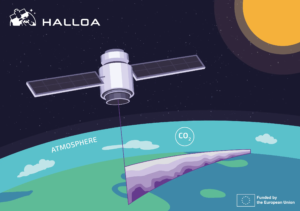
The HALLOA project is dedicated to the complete development of a pulsed laser system suited to CO₂ (main product), H₂O and wind speed (secondary products) monitoring by space-borne LIDAR using differential absorption method in the 2.05 μm spectral region.

Atmospheric LIDAR generally includes a complex laser design, introducing substantial mechanical constraints. The HALLOA project tackles this issue by designing and developing a so-called hybrid laser that synergistically combines the benefits of compact, alignment-free fiber-based systems with the high-power capabilities of free-space design. This development aims to reach the genuine optical performance required for LIDAR CO₂/H₂O/wind monitoring from space and the TRL6 level using EU-only components and sub-systems.

For non-dependency purpose, the project will establish a European supply chain for such laser as well as new European capabilities in two key technologies: 2.05 µm pulsed fiber amplifier and 79x nm high-power laser diode.

HALLOA facts & figure

3
non-profit research entities
2
industry key players
1
SME
36 months
Duration - January 2025 to December 2027
2 735 879,34 €
Budget

HALLOA’s goals

Develop a 2,05 μm hybrid laser, enabling CO₂ (main product), H₂O and wind measurements (secondary products) from space.

Develop new EU industrial capabilities for two key laser sub-systems: 2.05μm pulsed-fiber amplifier and high-power 79x nm laser diodes at TRL6

Build a complete hybrid laser based on EU-only components and demonstrate full compliance with space-mission requirements

Latest news 

Press Release LZH

Monitoring greenhouse gases from space with laser technology

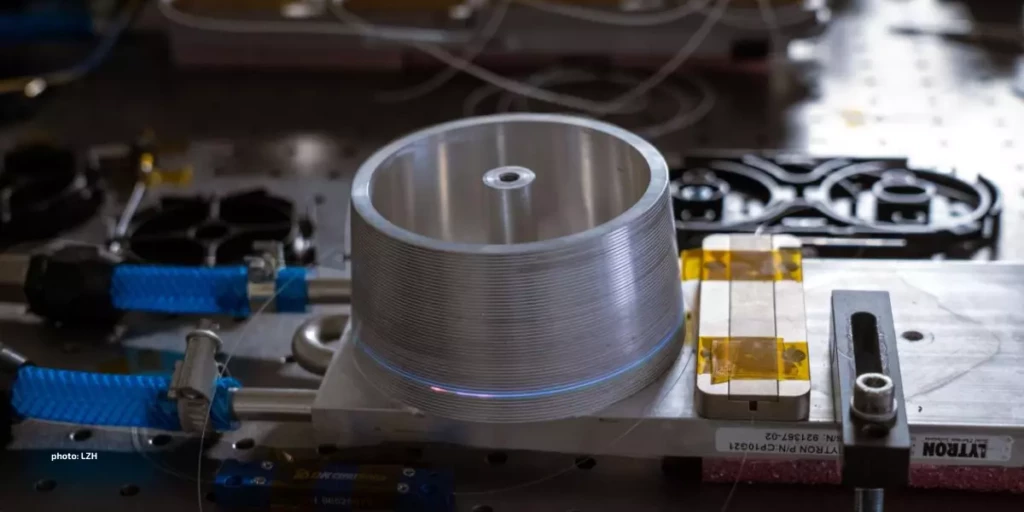
Article from HALLOA’s partner LZH Orginal article available here Researchers at LZH are developing a robust laser system for monitoring greenhouse gases from space using a hybrid approach as part of the EU project HALLOA. The goal is to provide precise data to improve our understanding of the climate, while also strengthening Europe’s technological independence. […]

Learn more
COUVERTURE ARTICLE HALLOA video (1)

[Video] How to measure CO₂, H₂O and wind from space?

Discover the LIDAR developed by HALLOA european project HALLOA is a consortium project bringing together 6 partners in response to a European call for tenders on the theme of ‘Space technologies at the service of Europe’s non-dependence and competitiveness’.   HALLOA is a research and development project aimed at developing a streamlined and robust laser system […]

Learn more
COUVERTURE ARTICLE HALLOA (2)

Understanding Space‑based LIDAR

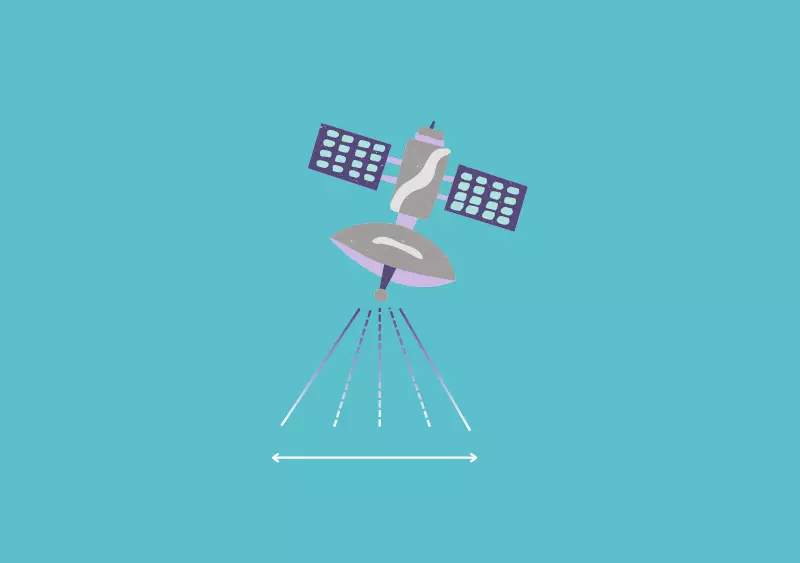
How does LIDAR work? From light pulses to atmospheric data LIDAR stands for Light Detection And Ranging. It is a technology similar to radar, but instead of radio waves, LIDAR uses a laser beam. While radar measures with radio waves, LIDAR measures with light. The operating principle is straightforward. LIDAR sensors send light pulses through […]

Learn more

Partners